May 14, 2026


Healthcare organizations involved in advanced research require reliable and secure ways to distribute critical information to their users. When content includes complex medical data, research materials, and multimedia resources, accessibility and usability become key factors.
To address these needs, a Windows-based application was developed specifically for Surface devices, enabling seamless access to documents, videos, and interactive content both online and offline.
The client operates in the regenerative medicine sector, focusing on research and development in areas such as:
Their work involves sharing detailed medical and research content with stakeholders, requiring a secure and structured digital platform.
The client required a specialised application tailored to their audience and device ecosystem.
Primary Goals:
To support their operations and content distribution, the following needs were identified:
Delivering a feature-rich application within a controlled device ecosystem introduced several technical and usability challenges.
Core Challenges:
Key Problems:
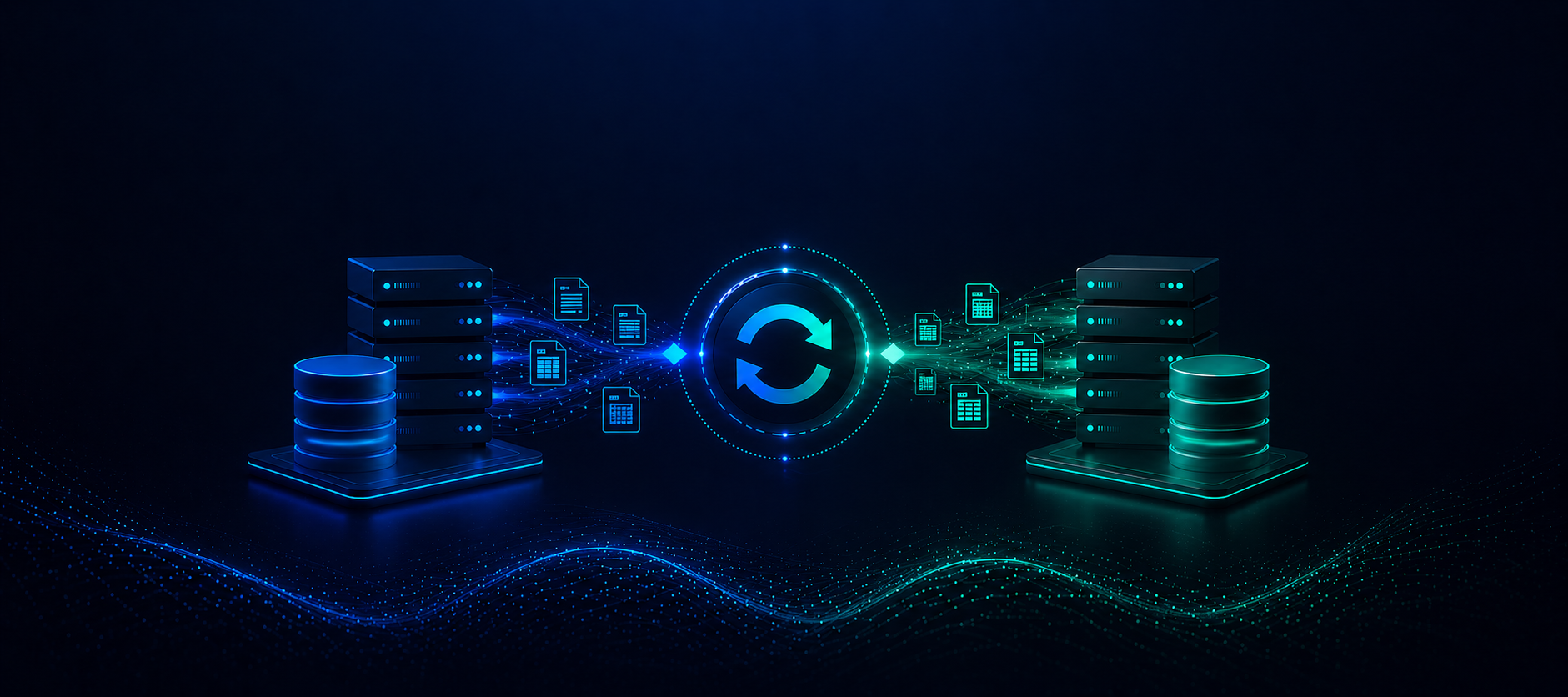
A custom Windows application was developed to provide a secure, scalable, and user-friendly platform for accessing and managing healthcare content.
| Steps | Process Details | Deliverable |
|---|---|---|
| Secure User Authentication | A secure authentication system was implemented to manage user access. | Result: Controlled and safe user onboarding |
| Content Access & Management | The application enables users to access:
|
Benefit: Centralized content consumption |
| Document Editing Capability | Users can edit PDF documents directly within the application. | Result: Eliminates need for external tools |
| Backend Integration | Custom web services were developed to connect the application with backend systems. | Benefit: Seamless data flow and synchronization |
| Admin Panel Development | A dedicated admin panel allows:
|
Result: Full control over application operations |
| Offline Accessibility | A structured system was implemented to store and access documents locally on Surface devices. | Benefit: Uninterrupted access without internet dependency |
Designed specifically for Surface devices to ensure smooth performance
Enables continuous access to content without connectivity
Allows in-app editing of PDF files
Simplifies control over users and digital assets
Before vs After
| Aspect | Before Solution | After Solution |
|---|---|---|
| Content Access | Limited & inconsistent | Seamless & centralized |
| Device Compatibility | Not optimized | Fully Surface-compatible |
| Internet Dependency | High | Minimal (offline support) |
| Document Handling | External tools required | In-app editing |
| System Control | Limited | Full admin control |

Windows Application

Surface Devices
SQL Server

Custom web services

Secure access management
PDF processing and editing
Building a Scalable Automotive LMS & Technical Documentation Platform
Read More...
Digitalizing Medical Supply Operations with a Scalable Web and Mobile Platform
Read More...
Digitalizing Medical Supply Operations with a Scalable Web and Mobile Platform
Read More...
At SynergyTop, we are more than just an IT company; we are your strategic partner for digital success. With a passionate team of experts, we craft innovative solutions that drive your business forward.


 contact@synergytop.com
 +1 619-349-4911


