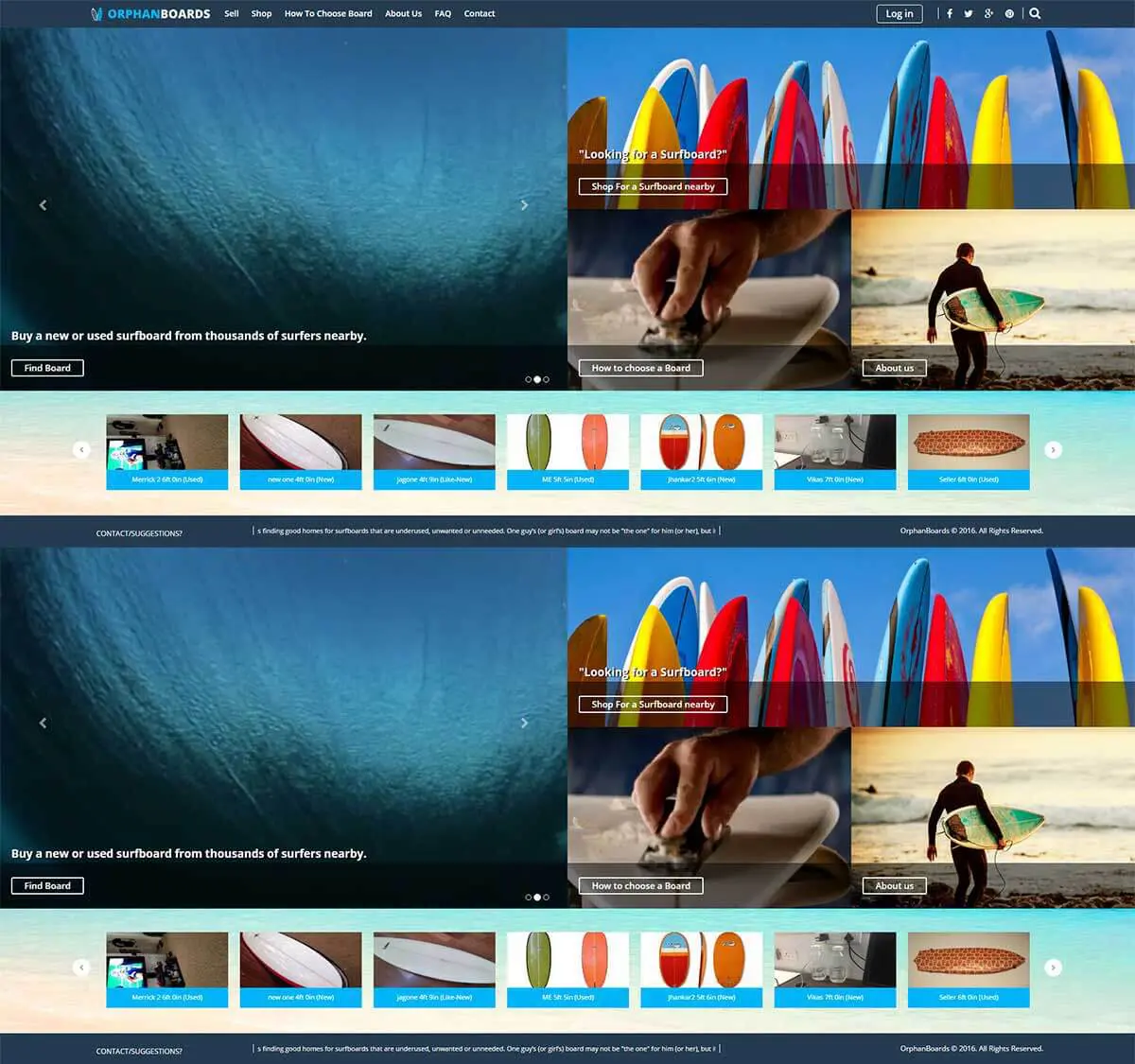
For wave riders, surfboards are no less than a treasure. But what happens when it is time for you to move on from one to another? What if you want to try surfing, but don’t want to spend a bomb on buying a surfboard? That’s when Orphan Boards come in.
It is a one-stop destination for surf lovers to buy and sell used (as well as new) surfboards. A one-of-a-kind eCommerce store, Orphan Boards is where beginner and experienced surfing enthusiasts can find “the” board for themselves, and surfboards can also find loving homes.
Client’s Goals
To bring their ideas to life, our client required a feature-loaded eCommerce site with the following functionalities:
The Challenge
The eCommerce niche is one of the most competitive segments in the market. The primary challenge for our client thus was to create an engaging and intuitive user experience, combined with specialized functionalities. By overcoming these challenges our client wanted to create a solid digital presence and embark on the road to achieving their professional goals.
The solution
To help Orphan Boards establish itself as a designated place for surfers to buy and sell new and used surfboards, our team of eCommerce developers delivered the following solutions to them:
The results
With our fail-proof eCommerce development services, our client could finally get an eCommerce website that not only looks attractive but also urges people to shop their hearts out, and helps them find the right surfboards.
Bringing Your Ideas to Life & Crafting Your Digital Success
"Insights & Innovations: Stay Updated with Our Latest Blogs"
Choosing a digital marketing agency is a high-stakes decision. A strong partner can grow organic traffic, generate qualified leads, and improve return on ad spend. A weak one can burn...
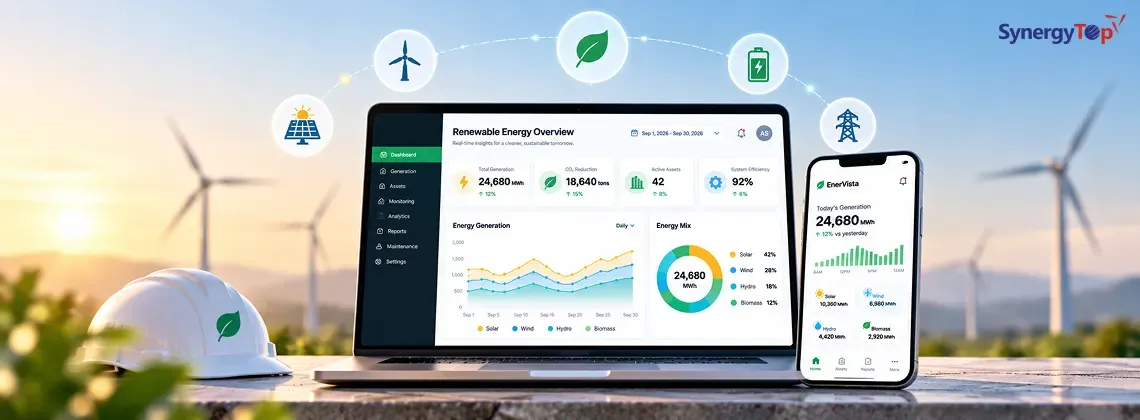
Key Takeaways Renewable energy capacity is expanding faster than operators can manage manually, making software essential for monitoring, forecasting, optimization, and asset management. The right renewable energy software connects operational...
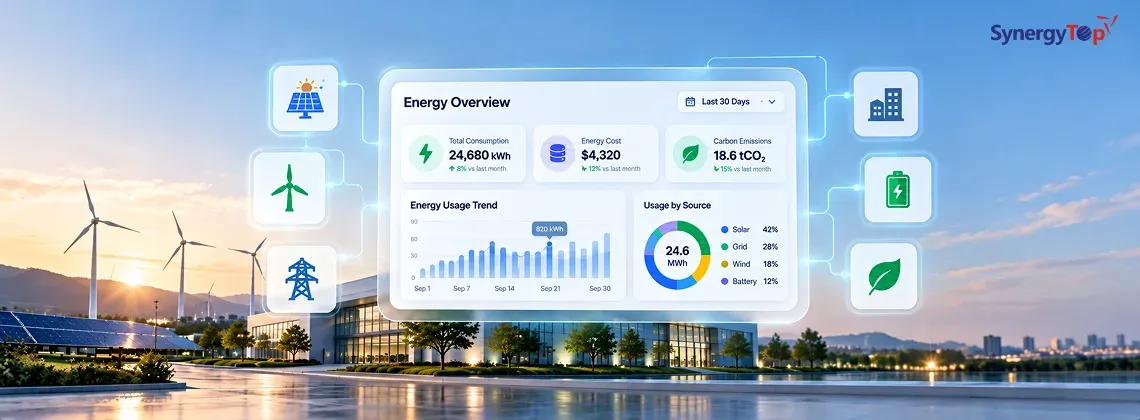
Your energy bill is one of the few operating costs that grows quietly. Nobody approves it line by line, and by the time finance flags it, the money is already spent. The...

At SynergyTop, we are more than just an IT company; we are your strategic partner for digital success. With a passionate team of experts, we craft innovative solutions that drive your business forward.


 contact@synergytop.com
 +1 619-349-4911

